Japanese New Year in English: Phrases for Kids, 20 Oshōgatsu Words, and Winter-Break English Games at Home
• KidTalk Team
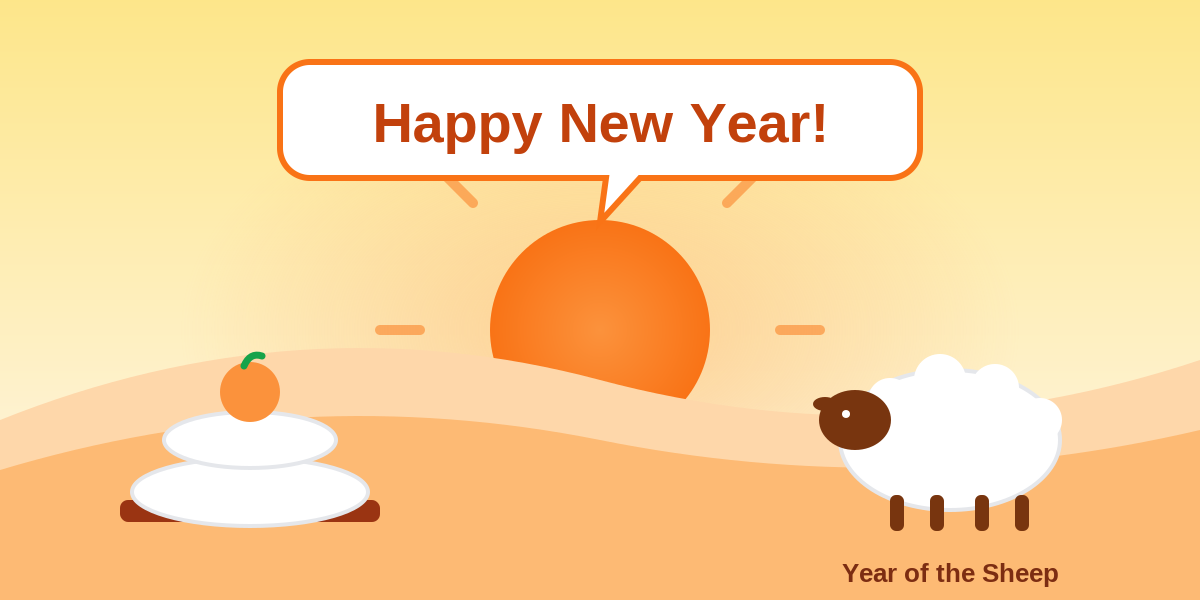
Short answer: “Akemashite omedetō” is Happy New Year! On a card it is still Happy New Year, with no “A” in front (more on that below). Japanese New Year (oshōgatsu) gives a child more Japanese things worth explaining in English than Halloween or Christmas: osechi, otoshidama, the shrine visit, the zodiac. Each has a settled English phrase, and being able to answer when someone from abroad asks is a big deal for a child. This post collects the phrases a family can use, 20 New Year words, five games for the ten days of winter break, and four sentences for explaining Japanese New Year. No costumes or decorations needed.
Six phrases for the family
| When | English | Note |
|---|---|---|
| New Year’s Eve | Ten, nine, eight … three, two, one — Happy New Year! | The countdown is the most natural moment all year to say numbers in English |
| New Year’s morning | Happy New Year! | The reply is the same: Happy New Year to you, too! |
| On a card | Happy New Year 2027 | No “A”. Inside a sentence it appears: “I wish you a happy new year” |
| After the money gift | Thank you! I got otoshidama! | Keep the Japanese word; explain it as New Year’s money |
| Asking about goals | What’s your New Year’s resolution? | Answer with I’m going to … |
| Back at school | How was your New Year’s? | For friends in the first week of January |
Cards in Japan often say “A Happy New Year”, but as a greeting on its own English uses Happy New Year! The “a” belongs inside a sentence, as in “I wish you a happy new year”, just as nobody says “A Merry Christmas”.
20 New Year words
| Japanese | English | Note |
|---|---|---|
| Ōmisoka | New Year’s Eve | ”Eve” is the night before, as in Christmas Eve |
| Ganjitsu | New Year’s Day | |
| Oshōgatsu (the holiday) | the New Year holidays | The first three days: the first three days of the year |
| Toshikoshi soba | year-crossing noodles | Eaten for a long life |
| Joya no kane | the temple bells on New Year’s Eve | Rung 108 times |
| Hatsuhinode | the first sunrise of the year | |
| Hatsumōde | the first shrine visit of the year | To pray |
| Osechi | osechi / traditional New Year dishes | In stacked boxes |
| Ozōni | rice-cake soup | Mochi is rice cake, and “mochi” works too |
| Kagami mochi | New Year rice cakes | The fruit on top is an orange |
| Kadomatsu | pine decorations | |
| Shimenawa | sacred rope | |
| Otoshidama | New Year’s money | In a small envelope |
| Nengajō | New Year’s card | You write one, it arrives on the first |
| Eto | the Chinese zodiac / zodiac animal | Next year is the Year of the Sheep |
| Fukubukuro | lucky bag | |
| Kakizome | the first calligraphy of the year | |
| Takoage | kite flying | To fly a kite |
| Hanetsuki | Japanese badminton | |
| Hatsuyume | the first dream of the year | The lucky dream: Mt. Fuji, a hawk and an eggplant |
2027 is the Year of the Sheep (also called the Goat). Almost all twelve zodiac animals are in the English word cards, animals theme: mouse, cow, tiger, rabbit, dragon, snake, horse, sheep, monkey, rooster, dog, pig (strictly a boar in Japan). A child who can say them in order has said the zodiac in English.
Five winter-break games
1. Countdown rehearsal (age 3+)
Before the real thing, practise in the bath: count down from ten and shout Happy New Year! at zero. Even a 3-year-old manages ten, nine, eight. Watch their face when it works on the night.
2. Otoshidama count (age 4+)
Count the New Year’s money in English: one thousand yen, two thousand yen …, or one hundred, two hundred for coins. Big numbers rarely come up in school English, and otoshidama is the one chance a year.
3. One line on a card (age 5+)
Just one card, written by the child: Happy New Year 2027. Grandparents are the ideal recipients. A child who can type it can print it, with a little help from typing practice.
4. Zodiac chain (age 5+)
The twelve animals in English, in order: mouse → cow → tiger … When it stalls, play the animals in the word cards and start again. At the end, point at next year’s animal: Next year is the Year of the Sheep!
5. Explain Japanese New Year (age 6+)
Pretend someone from abroad has asked “What do you do at New Year?” and learn four sentences.
- In Japan, we eat osechi on New Year’s Day.
- Children get otoshidama. It’s New Year’s money.
- We visit a shrine and pray for a good year.
- My favourite part is …
Only the fourth is the child’s own: mochi, otoshidama, Grandma’s house. Any answer is right. The point is saying something about yourself in English.
With an AI
Ask Poppy in KidTalk What do people do for New Year in America? Fireworks, parties, the Times Square countdown. Once “it’s different from Japan” lands, the four sentences above become something the child wants to say. And when the child tells Poppy In Japan, we eat osechi, she asks what that is, which is exactly the explaining practice you want. Not correcting mistakes applies here too.
FAQ
Is “A Happy New Year” wrong? As a greeting on its own, said or written, drop the “A”: “Happy New Year!” It appears inside sentences (“I wish you a happy new year”). Cards in Japan have made the “A” version familiar, so don’t fret, but teach children the version without it.
How do you say “yoi otoshi o” (have a good year-end)? Have a happy new year! or Happy holidays! It is said before the year turns, so in December.
Can children just say osechi and otoshidama in Japanese? Yes. As with sushi and karaoke, say osechi and add “traditional New Year dishes”. The pattern “Japanese word + English explanation” is one a child can use for the rest of their life when talking about Japan in English.
Summary
- “Akemashite omedetō” is Happy New Year! (no “A”)
- Countdown, otoshidama, cards, zodiac: New Year is full of moments to say numbers and talk about yourself in English
- Japanese word + English explanation (osechi / traditional New Year dishes) is all you need to explain the holiday
- 2027 is the Year of the Sheep
Ready to try KidTalk?
Turn your child's curiosity into stories with safe, friendly AI.
Get started for freeRelated Articles

November 16, 2026
Addition and Subtraction: What Age? Within 10 at 5–6, Carrying in First Grade, and Why Counting on Fingers Is Fine

November 16, 2026
Kanji: what age? 80 in grade 1, reading before writing, and stroke order you trace rather than memorise

November 15, 2026