How to Keep a Heritage Language Alive Abroad: Five Ways Families Protect the Home Language
• KidTalk Team
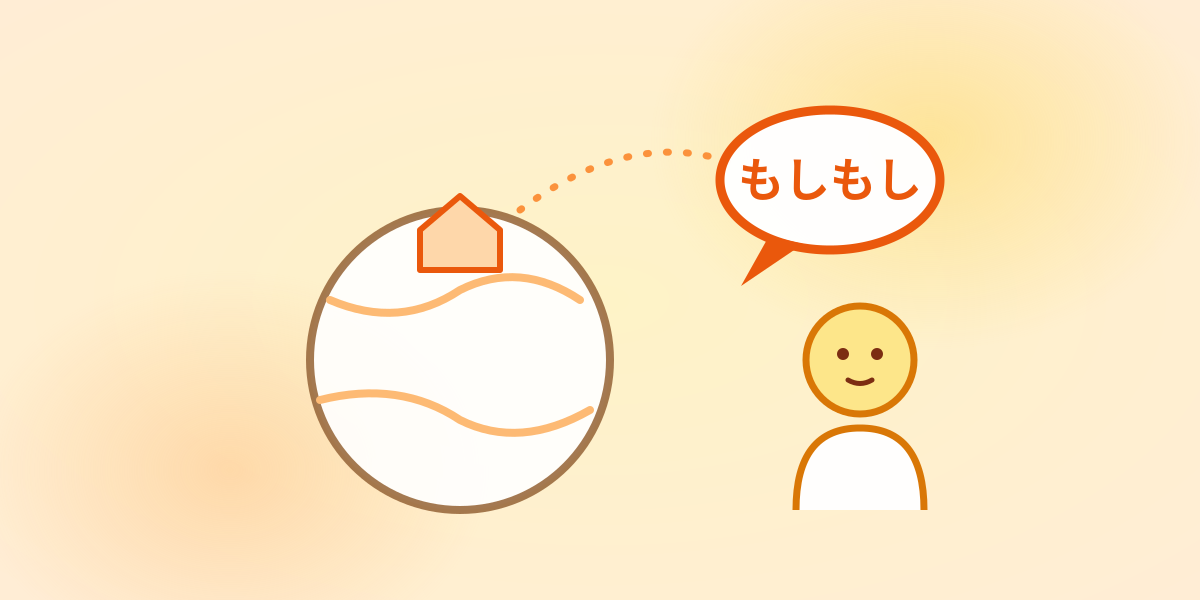
Short answer: A child growing up abroad will almost certainly see their home language squeezed once they start local school. That isn’t a parenting failure — it’s what happens when most waking hours are in another language. The key to protecting a heritage language is adding people the child wants to talk to in it, before drilling reading and writing. Keep the language “how I talk to people I love” before it becomes “a school subject.” That’s the foundation everything else stands on.
We write from a Japanese-English perspective (KidTalk speaks both), but the patterns apply to any family raising children in a language the surrounding society doesn’t speak.
What a heritage language is
A heritage language is a language passed down from parents that isn’t the main language of the country where the child lives — Japanese for a child of Japanese parents growing up in the US, Spanish for a child of Mexican parents in Canada, and so on.
Its defining feature: the family is often the only major source. School, TV, playground games — all in the local language. Many families start with the home language living almost entirely inside the house.
The usual way the home language gets squeezed
- Preschool years: home language at home, and the child answers in it. Things look fine
- First year or two of school: school topics shift to the local language. Siblings switch to it with each other
- Middle elementary and beyond: the child answers parents in the local language. The home language becomes “understood but not spoken”
Stage 3 has exactly the structure of the child who understands a language but won’t speak it, with the languages swapped.
Five things families can do
1. Count home-language input by the week
Start by knowing where you are. Roughly tally how many hours a week your child spends in the home language. If it’s mornings and evenings on weekdays plus some weekend time, it’s probably less than you’d guess. Once you know it’s short, the response changes from “try harder” to “where do we add time?“
2. Add people your child wants to talk to
Parents alone can’t carry all the volume.
- Video calls with grandparents: short, but regular. The ideas in our grandparents-and-grandkids conversation post work as-is
- Friends who share the language: local community groups, playgroups
- Trips home: a few weeks somewhere only the home language works has an outsized effect
The strongest reason a child speaks the home language is “this is the person I talk to in this language.”
3. Conversation before literacy
Weekend-school homework and character drills matter — but when the home language becomes “studying,” children start avoiding the language itself. Especially in the first few years of school, protecting “it’s fun to talk in our language” over reading and writing tends to last longer.
Literacy can grow out of conversation, too. Conversation as a doorway to books works just as well with home-language picture books.
4. Keep weekend school at a sustainable distance
Heritage-language weekend schools offer friends who share the language and grade-aligned learning. But when local-school homework and weekend-school homework pile up, some children come to dislike the language itself.
If weekend school gets hard, remember there are options between “quit” and “push on”: move down a grade, ask the teacher about the homework load, switch to an online class. Not cutting ties with the language is the priority.
5. Keep answering in the home language
Parent speaks the home language; child answers in the local one. Extremely common — and when parents give in and switch, the home language at home shrinks fast.
Without blame, keep answering in the home language. Simply recasting your child’s local-language sentence in the home language is enough (see mixing two languages). That’s the last line holding your family’s home-language time.
Can an AI be a home-language conversation partner?
Honestly: KidTalk’s Poppy speaks Japanese and English and replies in whichever language the child uses. For Japanese families abroad, that can mean one more Japanese-speaking partner — especially someone who answers “why?” questions in Japanese. (For families whose home language is something else, KidTalk can’t help with that language — it only speaks Japanese and English.)
But a Poppy exchange is about ten seconds of back-and-forth. It’s no replacement for grandparents or friends. Think of it as a tool for adding a little home-language volume — one more reason to speak the language when your child has stopped speaking it to you.
FAQ
Will keeping the home language slow down the local language? There’s no evidence that having two languages hinders the local one. The local language arrives in huge quantities from school and society. The home language, meanwhile, supports deep parent-child conversation.
What if one parent doesn’t speak the home language? The parent who does keeps speaking it — that’s One Parent, One Language. Whole-family conversation can happen in a shared language.
Can a language my child stopped speaking come back? If they still understand it, there’s a good chance. A trip home or a friend who only speaks that language can bring it back surprisingly fast.
Summary
- Abroad, the home language gets squeezed once school starts. That’s normal
- The key is people your child wants to talk to in it, before literacy drills
- Count input by the week; add grandparents, friends, and trips home
- Keep weekend school sustainable — never cut ties with the language
- Keep answering in the home language, even when your child doesn’t
A heritage language isn’t something you measure with a test. Can they call their grandparents when they’re grown? That small, irreplaceable moment may be the real goal.
Ready to try KidTalk?
Turn your child's curiosity into stories with safe, friendly AI.
Get started for freeRelated Articles

November 16, 2026
Addition and Subtraction: What Age? Within 10 at 5–6, Carrying in First Grade, and Why Counting on Fingers Is Fine

November 16, 2026
Kanji: what age? 80 in grade 1, reading before writing, and stroke order you trace rather than memorise

November 15, 2026